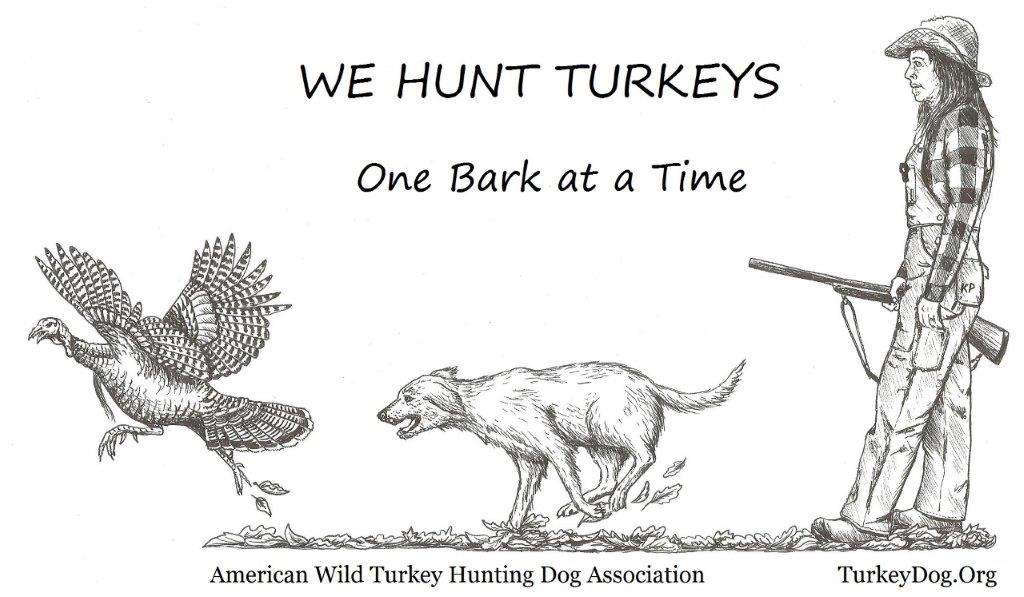
| 15,000 years ago, humans were hunters and gatherers, when they domesticated dogs for hunting and as watch dogs. That was 3,000 years before the Agricultural Revolution began, when humans became farmers and herders. Hunting with dogs is hardwired into humans and dogs nature. It's only the last 200 years we became laborers and office workers. This 15,000 years of companionship is why we prefer hunting with a dog. |
 Welcome to
TurkeyDog.Org, where we wish it was always
October. We believe turkey hunting is best when
done with a dog. While the dog's job is to find the birds
and scatter them, most times the hunter still has to call
them back in. In the fall, a turkey's defense (the eyes
and ears of the whole flock) is at it's best. It's easier
to ambush fall turkeys, than it is to train a dog to sit
quietly with the hunter, while the turkeys are called back
in. Training a turkey dog takes a lot of commitment. Welcome to
TurkeyDog.Org, where we wish it was always
October. We believe turkey hunting is best when
done with a dog. While the dog's job is to find the birds
and scatter them, most times the hunter still has to call
them back in. In the fall, a turkey's defense (the eyes
and ears of the whole flock) is at it's best. It's easier
to ambush fall turkeys, than it is to train a dog to sit
quietly with the hunter, while the turkeys are called back
in. Training a turkey dog takes a lot of commitment. If you're interested in sharing the history and tradition of these special dogs, join the club. Support TurkeyDog.Org and receive these benefits: * Access to exclusive content. Interact with fellow members, post your puppy wanted, share experiences, renew old friendships and make new ones. * News of interesting and useful information about turkey dogs, and what's new at the website. Sign up for the Turkey Dog News. * Notices of new litters, or trained dogs needing a home. * The only Book in the World on choosing, training and hunting turkeys with a dog (includes tips from 100's of turkey dog  hunters). Now in it's
5th printing (original 12/2006. Revised 3/2007, 3/2009,
3/2013, 3/2018). hunters). Now in it's
5th printing (original 12/2006. Revised 3/2007, 3/2009,
3/2013, 3/2018).* Advance notice of legislative alerts and season changes. * Receive annual hunt invitations and a free classified ad. #1). Membership $30 includes the book - Wild Turkey Dogs #1R) Annual Renewal $10 (previous members only). "Thank you, Jon. You are the one helping the turkey dog cause the most! Keep up the good work." Hilary Nickerson 11/27/15  FREE Feather Kite plans with every new Membership or Renewal. Just include a note you'd like the Feather Kite plans with your order, so we don't waste paper. Intrigues kids and adults! Teach those puppies to bark! CLICK HERE FOR VIDEO. Send cash or check to: AWTHDA 15634 Old CC, Maribel WI 54227. Call 920-776-1272 with questions. Painting David Wright |
   
|
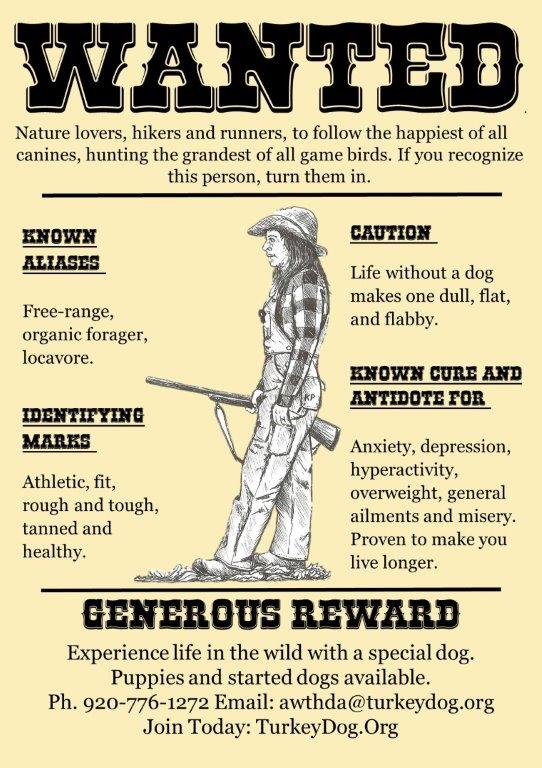   Hunting the ultimate free range, organic, cage free birds with a dog in the Fall and Winter means long walks in the country and spending a lot of time in the natural world. Fall success rates are about 7% (about half hens & half toms), generally one-third of Spring's 21% success rate (toms only). So, although you're six times less likely to kill a tom (or a hen) in the fall (than in the spring), the reward is; you'll get twenty times more exercise. And spend more time in the wild. Join the club. |
  The American
Wild Turkey Hunting Dog Association is a nationwide
volunteer group dedicated to preserving, protecting and
promoting the wild turkey hunting dog tradition. We're
founded by sportsmen and women who seeked equality for
those who pursue wild turkeys with a dog. Our original
goal was to organize everything on the web pertaining to
the sport, primarily to support legislation allowing
fall turkey hunting with dogs in Wisconsin and
Pennsylvania. It's grown to where we are today through
the contributions and collaborative efforts the members
you see on this website have made. The American
Wild Turkey Hunting Dog Association is a nationwide
volunteer group dedicated to preserving, protecting and
promoting the wild turkey hunting dog tradition. We're
founded by sportsmen and women who seeked equality for
those who pursue wild turkeys with a dog. Our original
goal was to organize everything on the web pertaining to
the sport, primarily to support legislation allowing
fall turkey hunting with dogs in Wisconsin and
Pennsylvania. It's grown to where we are today through
the contributions and collaborative efforts the members
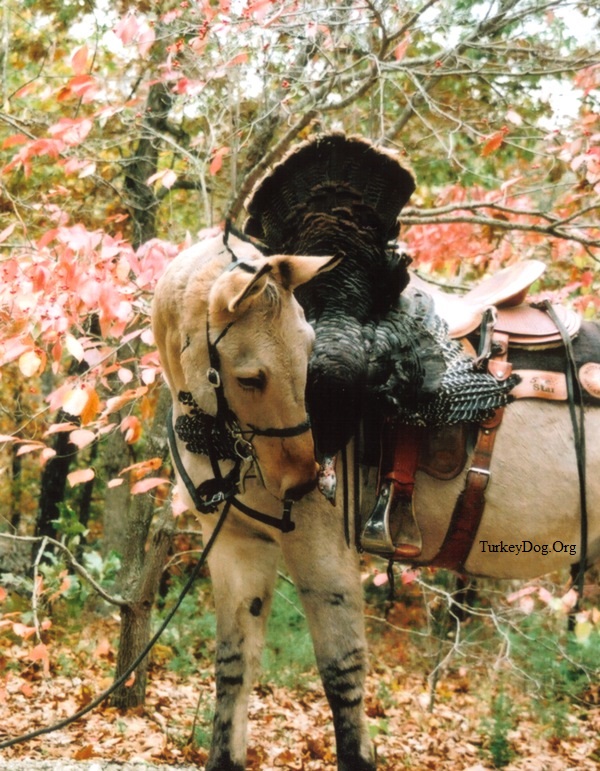
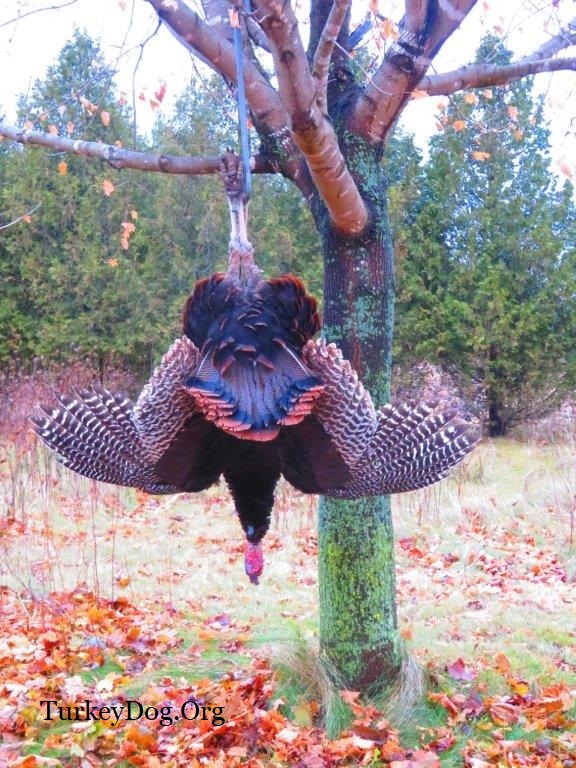
you see on this website have made. Photo courtesy Ben Tennison Western Mule Magazine. Ben's Missouri mule 'Tote', carrying a fall turkey, is a bucksin dun, john mule, standing in front of a Missouri dogwood tree. How can you tell it's a DOGWOOD? By it's BARK! |
| Dogs are better than human beings because they know but do not tell. Emily Dickinson |
Spring turkey hunting came
about as a way for the State to recover the
expenses of all the trapping and transplanting they did
(since the 1950's). Once the turkey population had
recovered, they needed to recover their costs. The Fish
& Game departments were in a dilemna: "We can't open the traditional fall season
like we've always had. We don't want to shoot the hens we
just 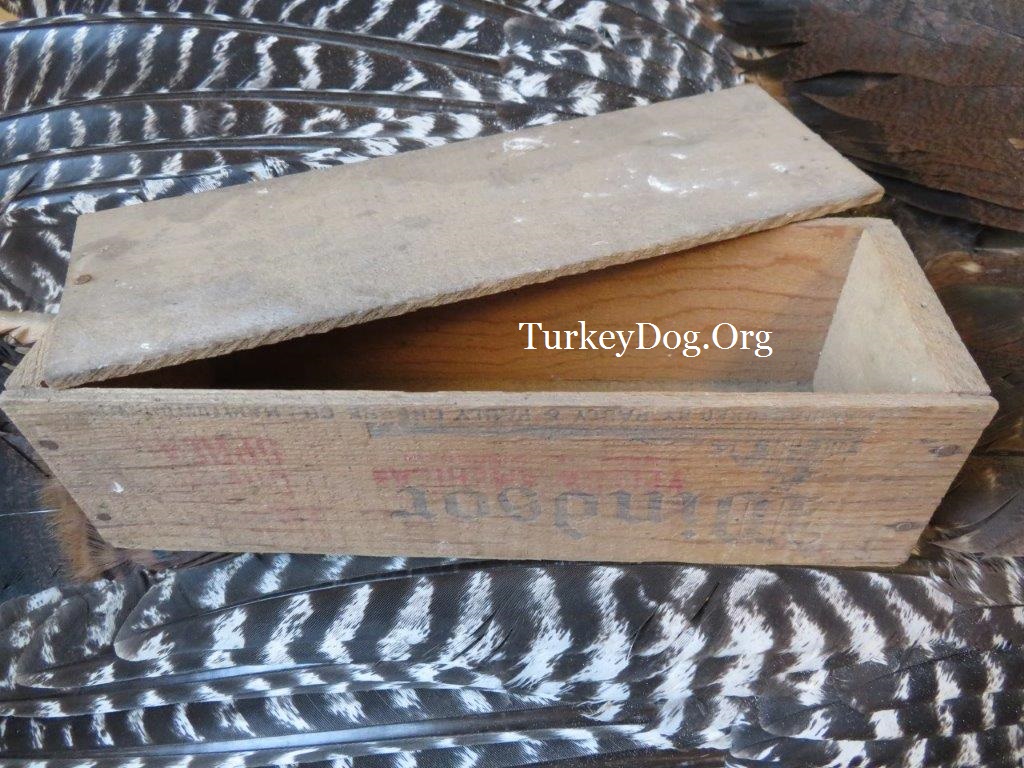 transplanted!
But
we heard of some boys down in Alabama, who squawk on an old cheese box
and kill gobblers in spring time." The
biologists agreed: "It shouldn't hurt the population, to
just shoot males." That's when they decided to sell
spring turkey hunting permits and raise the much-needed
funds." Spring turkey
hunting was born. That's why there are turkey
hunters today from 9 to 99, who think the time to hunt
turkeys is in the spring. transplanted!
But
we heard of some boys down in Alabama, who squawk on an old cheese box
and kill gobblers in spring time." The
biologists agreed: "It shouldn't hurt the population, to
just shoot males." That's when they decided to sell
spring turkey hunting permits and raise the much-needed
funds." Spring turkey
hunting was born. That's why there are turkey
hunters today from 9 to 99, who think the time to hunt
turkeys is in the spring. 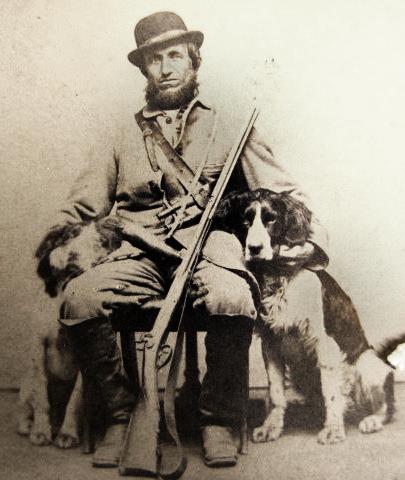 Never mind that the
males and females (in northern states) just came through a tough winter,
ekeing out a living, picking recycled corn out of the
manure farmers spread on the fields (if they're so
fortunate) and subsisting
on weed seeds for long periods. Then the males get worn
thinner, fighting for dominance in the breeding season,
while the females are stressed trying to lay, set and
hatch a brood unobserved. But once the northern Fish &
Game departments started selling spring turkey
licenses and permits, like they were in the south, the
floodgates were opened. Never mind that the
males and females (in northern states) just came through a tough winter,
ekeing out a living, picking recycled corn out of the
manure farmers spread on the fields (if they're so
fortunate) and subsisting
on weed seeds for long periods. Then the males get worn
thinner, fighting for dominance in the breeding season,
while the females are stressed trying to lay, set and
hatch a brood unobserved. But once the northern Fish &
Game departments started selling spring turkey
licenses and permits, like they were in the south, the
floodgates were opened.On a another subject, it's downright sinful for spring hunters to only breast out a bird, because the legs and thighs are tough (as big gobblers spend most of their life walking and running, they don't like to fly). Compare this to hunting them in the fall, like it used to be, after the turkeys had life easy in the summer time, with all the food available, and when their meat tastes good. Especially the tenderest tasting young of the year. The turkey population is highest in the fall and half the birds born in summer won't make it through the upcoming winter. Better to have them on your plate, than frozen stiff at the base of a tree in January. Get a good dog and hunt turkeys in the fall, like they did in the old days. |
 We hunt bear, bobcat, cougar, coyote, deer, dove, duck, fox, geese, grouse, hog, pheasant, quail, rabbit, raccoon, squirrel and wolf with a dog. Why wouldn't we hunt turkeys with a dog?! |
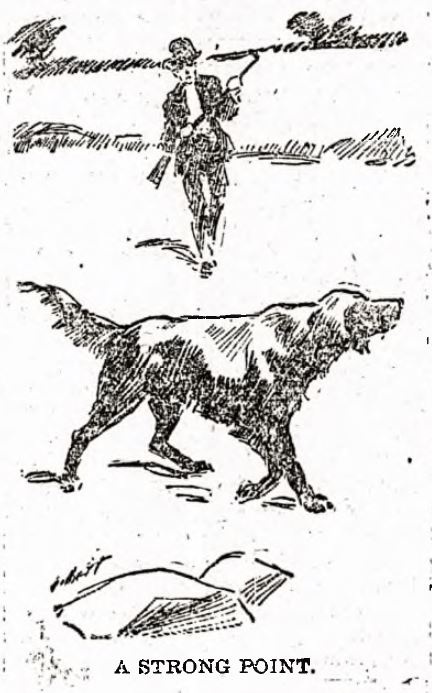 In
the
late 1940's, when game laws first began, only thirteen
states had turkey hunting seasons, and they were all in
the fall. Then came the
first Spring gobbler seasons: 1950's Alabama,
1958 South Carolina, 1960 Kentucky, 1961 Virginia, 1963
West Virginia, 1968 Pennsylvania, 1969 North Carolina,
1973 Vermont, 1978 Minnesota, 1980 Massachusetts. 1984
Wisconsin. That's why today we have hunters from 9 to 99
who never hunted turkeys in the fall, because all they or
their elders ever knew was spring hunting. In
the
late 1940's, when game laws first began, only thirteen
states had turkey hunting seasons, and they were all in
the fall. Then came the
first Spring gobbler seasons: 1950's Alabama,
1958 South Carolina, 1960 Kentucky, 1961 Virginia, 1963
West Virginia, 1968 Pennsylvania, 1969 North Carolina,
1973 Vermont, 1978 Minnesota, 1980 Massachusetts. 1984
Wisconsin. That's why today we have hunters from 9 to 99
who never hunted turkeys in the fall, because all they or
their elders ever knew was spring hunting. |
    |
|
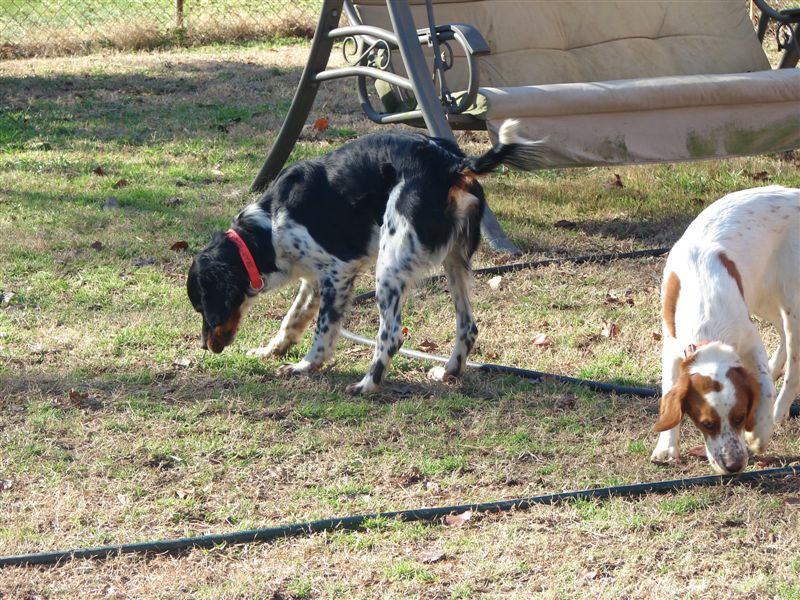
Something to think about when turkey hunting
with a dog:
#1. Be careful
shooting at turkeys running on the ground! 25 MPH = 36.66
FPS. In the 2 seconds it takes to decide to shoot, the dog
covers 25 yards. We love introducing hunters to turkey
dogging, but if you hunt  with us, always keep
the dogs safety in mind as much as you do other hunters.
The dog is likely right behind any running turkey, and no
turkey is worth a dog getting a pellet in the face. If you
shoot one of our dogs, expect the cost to be considerable.
The value of our dogs is not so much based on their
pedigree, show quality, or registration, as much as their
initial cost, annual shots, medications, veterinarian
fees, licenses and food. Factor in the cost of travel and
the hours of training time, the dogs age, their value as a
companion, family pet, and watchdog, their awards, any
special recognition they've received in the turkey hunting
community, and you get an idea of how much value we put on
our dog. with us, always keep
the dogs safety in mind as much as you do other hunters.
The dog is likely right behind any running turkey, and no
turkey is worth a dog getting a pellet in the face. If you
shoot one of our dogs, expect the cost to be considerable.
The value of our dogs is not so much based on their
pedigree, show quality, or registration, as much as their
initial cost, annual shots, medications, veterinarian
fees, licenses and food. Factor in the cost of travel and
the hours of training time, the dogs age, their value as a
companion, family pet, and watchdog, their awards, any
special recognition they've received in the turkey hunting
community, and you get an idea of how much value we put on
our dog. #2. Don't shoot your gun near a dogs ears, her good hearing is more important than getting a turkey. A healthy dog can hear four times better than humans. If you're right-handed, position the dog to your left rear and you'll save her hearing somewhat. That'll be especially helpful when your hearing deteriorates. Learn about Noise Trauma: "Shoulder-supported rifles and shotguns used for hunting and target shooting produce a peak sound pressure level in excess of 140 dB, and fireworks and other explosives 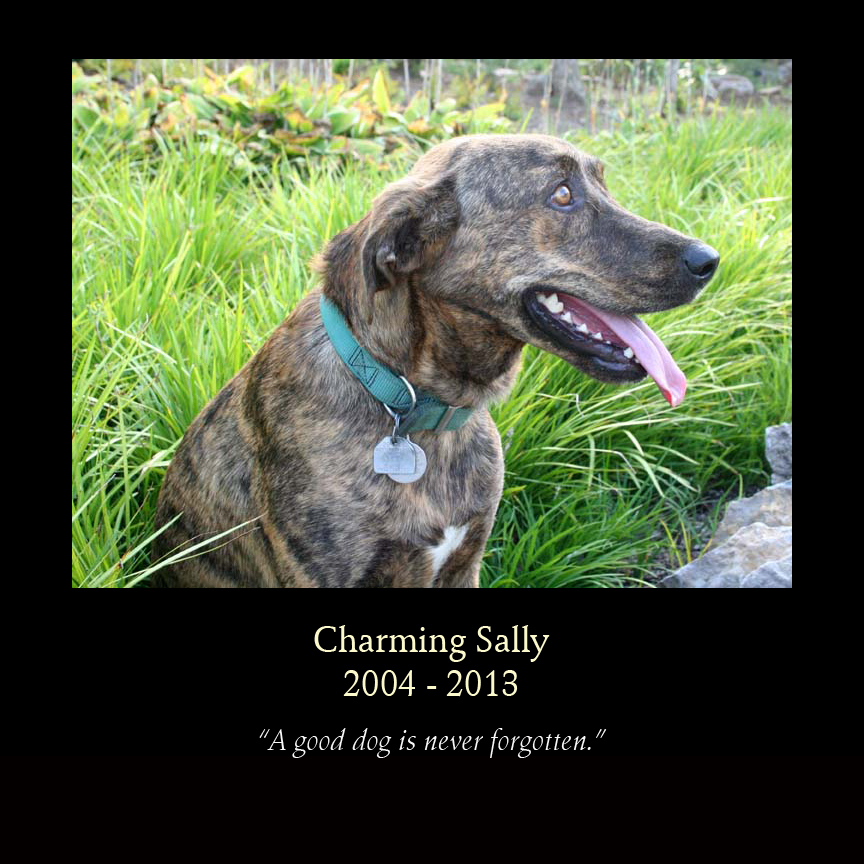 can be even
louder. The noise actually disrupts the hair cells and
their support cells. Since noise-induced trauma has
limited recovery, repeated exposure produces cumulative
hearing loss, a serious problem for hunting dogs where the
gun is fired over the dog's head." One turkey is not worth
a Deaf Dog. can be even
louder. The noise actually disrupts the hair cells and
their support cells. Since noise-induced trauma has
limited recovery, repeated exposure produces cumulative
hearing loss, a serious problem for hunting dogs where the
gun is fired over the dog's head." One turkey is not worth
a Deaf Dog.#3. Never disparage any dog. You're welcome to critique another hunter, their gun, calling, woodsmanship, or anything else you like, but don't speak poorly about any dog chosen for turkey hunting. The dog can't help who their ancestors were, and most well cared for dogs try their best for a deserving owner. If the dog isn't doing well, it's most likely because the owner hasn't gotten them out often enough, provided adequate feed or care, or it's the way they treat them! "I owned a good Mountain Cur, but she died last year at 11 years of age. Good dog, I miss her. Attached is a photo of Charming Sally." Sally was the model in many of my paintings. When she got to hunt, she'd range far and wide. A good dog is never forgotten. David Wright 6/25/2014 Dogs lives are too short. When your dog dies, listen to these: Old Shep by Red Foley | Tribute To A Dog and Old Rivers by Walter Brennan | Old Dogs Children & Watermelon Wine by Tom T. Hall | Dog lovers (because you loved me) Celine Dion | Real Life (I never was the same again) by Jeff Carson |
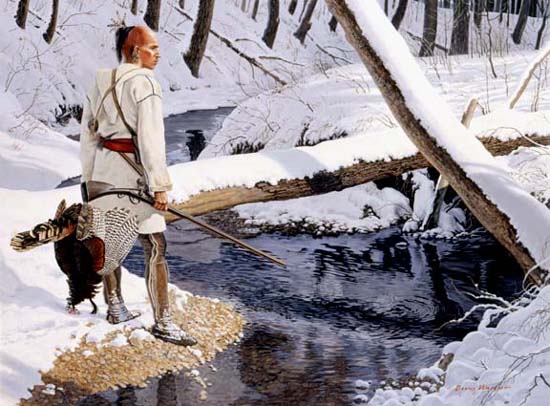 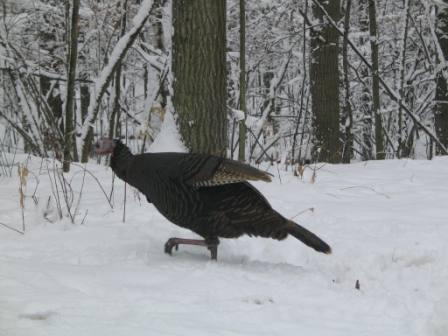   Shawnee
Hunter David
Wright
Turkey Dogs can be the
solution to a variety of personal and societal concerns.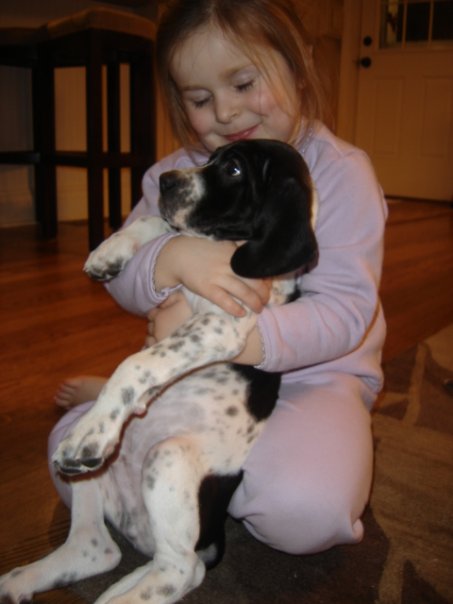 1. With todays obsession
with video games, internet socializing, and endless
television, psychologists determined long ago that many
children suffer from Nature
Deficit
Disorder 1. With todays obsession
with video games, internet socializing, and endless
television, psychologists determined long ago that many
children suffer from Nature
Deficit
Disorder2. For those of us who are getting up there in age or weight, and have knees and backs that are more cut out for an easy walk rather than a climb up a tree stand to sit in one spot for long uncomfortable periods, turkey hunting with a dog can be just the type of hunting you're looking for. The dog will do most of the work, allowing you to enjoy the stroll, until your dog scatters the turkeys, and then you can sit down and enjoy the rest. Plus the wild turkey provides low fat, healthy, organically grown food for the dinner table.  3. In today's economy, a low budget venture is tough to find. While it can cost an arm and a leg to get into some pastimes, turkey hunting with a dog doesn't. Some of the best turkey pups are free, or mixed breeds rescued from a dog pound. Your time spent in training, dog food and health care will be your biggest investment. 4. Plus your dog provides the family protection against crime; burglars don't like entering a house with a barking dog! Since the AWTHDA is headquartered in Wisconsin, we'll use our state as an example. The wild turkey is the most prolific bird we have today, far exceeding all other upland birds, and with the 4 month long fall turkey season in Wisconsin, there is more opportunity to get outside and pursue turkeys than any other wild game except deer (and that usually means sitting in a tree stand for long periods). Plus, the turkeys are a lot easier to carry out of the woods! 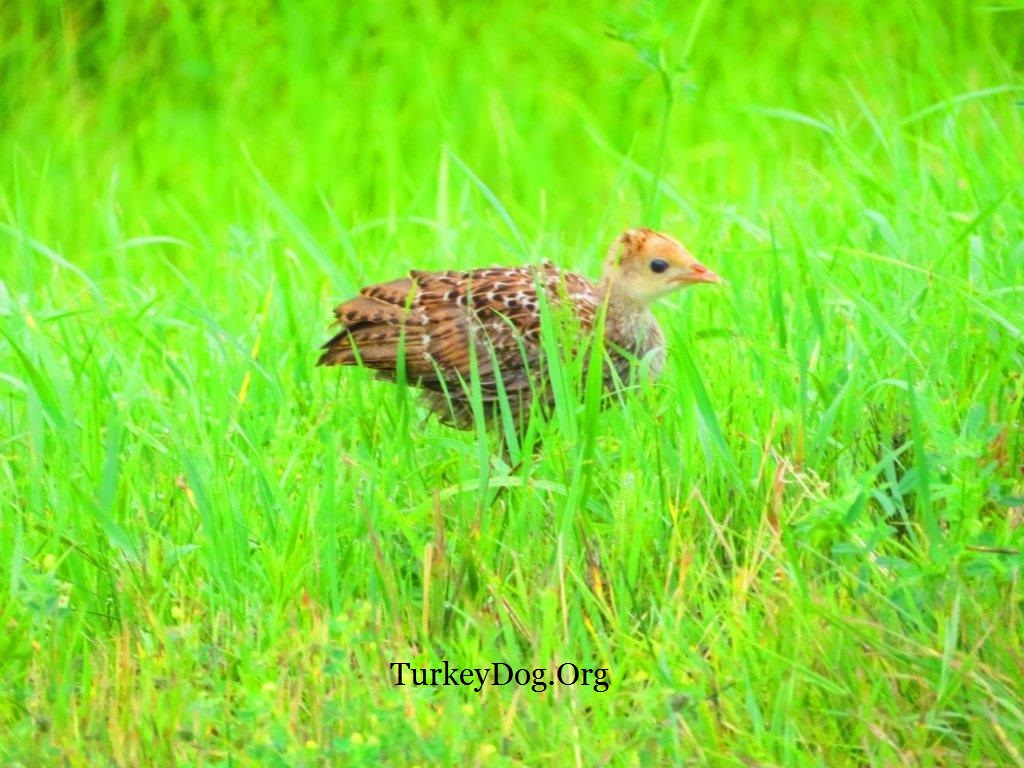 Training a turkey hunting dog means spending hundreds of hours with your dog, both indoors and out; studying, scouting, photographing, and observing hundreds of turkeys for every one you shoot. More often than not, the weapon of choice is a camera. Your turkey dog gets you outside walking and breathing in fresh air; playing fetch with your puppy, watching turkeys on your stroll through the park, attending obedience classes, or going to dog parks for socialization and exercise. With so many wild turkeys living in suburbia today, they can make for some exciting neighborhood walks for yourself and your turkey dog-in-training. Hunting our country's most spectacular game bird in the fall is growing in popularity, as is training a dog to assist. There are plenty of wild birds to train your dog on (check dates permitted, varies by state). There's no need to pay game 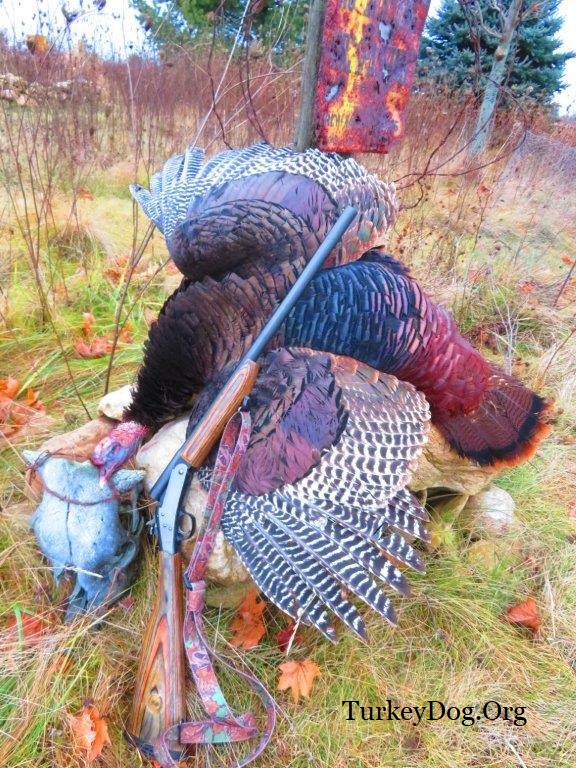 farms for
expensive pen raised birds (chukars, ducks, pigeons,
pheasants, quail, or heaven forbid - farm turkeys) to
train your turkey dog. We train them on the real thing
(the Wild
Turkey Dogs book will tell you how, and when to
start). farms for
expensive pen raised birds (chukars, ducks, pigeons,
pheasants, quail, or heaven forbid - farm turkeys) to
train your turkey dog. We train them on the real thing
(the Wild
Turkey Dogs book will tell you how, and when to
start). We don't have registries, judges, shows, conduct testing, have field trials or hold competitions (yet). The only competition is the hunter with his or her dog, against the wild turkey. Many dogs are versatile enough to hunt other game besides turkey, it's just up to you to see they get plenty of exposure, practice and discipline. Plus, you don t need all the decoys and extensive equipment spring turkey hunters do. Just a few shells in your pocket for the old single shot, some camo material to hide with, a call or two, and you're in for an exciting experience. Join the AWTHDA, read the book, and learn how to hunt fall turkey with your dog. |
  "An issue may be so clear
in outline, so inevitable in logic, so imperative in
need, and so universal in importance as to command
immediate support from any reasonable person. Yet that
collective person, the public, may take a decade to see
the argument, and another to acquiesce in an effective
program." Aldo Leopold 1943 "An issue may be so clear
in outline, so inevitable in logic, so imperative in
need, and so universal in importance as to command
immediate support from any reasonable person. Yet that
collective person, the public, may take a decade to see
the argument, and another to acquiesce in an effective
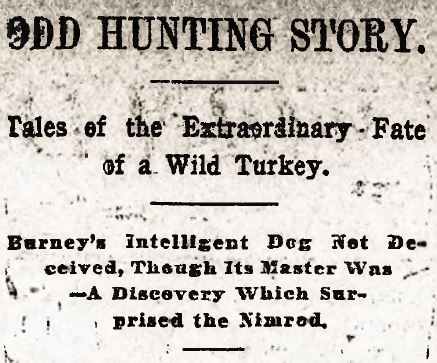
program." Aldo Leopold 1943Note: in the article on
the right (1893), they didn't have a dog.
|
| For the past 40 years or more, most of us
learned to hunt turkeys in the spring. Once we experienced
a spring tom strutting and gobbling his way towards us, we
got hooked on turkey hunting. Now with the wild turkey
population restored in most states, we're allowed that
same opportunity in the fall (like it used to be), and
with our dog. In the fall, the gobblers stalk, rather than
strut towards you. But you'll hear gobbles, along with a
full repertoire of other turkey language. Thankfully, the fall tradition of hunting turkey with a dog was kept alive for hundreds of years, primarily in the central and southern Appalachian (or Allegheny) Mountains (which run from Alabama to Newfoundland) known as the Blue Ridge, Catskills, Cumberland, and the 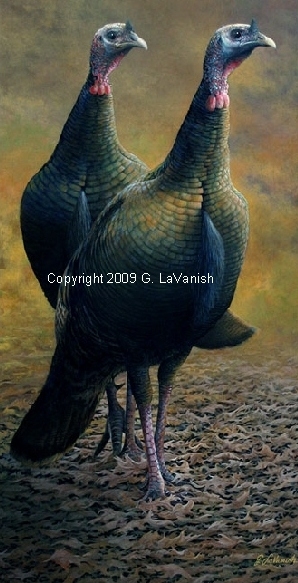 Appalachian or
Allegheny Plateau, primarily in the states of Virginia,
West Virginia, North Carolina, Kentucky, Tennessee, New
York, Pennsylvania, Vermont, New Hampshire, Maine,
Maryland, and southern Ohio. Many hunters in the rest
of the country are ignorant about turkey dogs, and
anything else about the Appalachians, like the fact they
have 130 native trees, while there are only 85 native
trees in all of Europe! Source: The
National
Parks: America's Best Idea Appalachian or
Allegheny Plateau, primarily in the states of Virginia,
West Virginia, North Carolina, Kentucky, Tennessee, New
York, Pennsylvania, Vermont, New Hampshire, Maine,
Maryland, and southern Ohio. Many hunters in the rest
of the country are ignorant about turkey dogs, and
anything else about the Appalachians, like the fact they
have 130 native trees, while there are only 85 native
trees in all of Europe! Source: The
National
Parks: America's Best Idea ,
also Bill Bryson - A Walk in the Woods:
Rediscovering America on the Appalachian Trail ,
also Bill Bryson - A Walk in the Woods:
Rediscovering America on the Appalachian Trail . Or
as Jim Casada says:
"the Great Smokies, the most ecologically diverse area
in the entire Northern Hemisphere." Learn more about
the Appalachians, from one who lives there - visit Tipper at the Blind Pig & the
Acorn. Join the Appalachian
turkey dog club - where we share the knowledge,
experience and tradition. A
History of Appalachia . Or
as Jim Casada says:
"the Great Smokies, the most ecologically diverse area
in the entire Northern Hemisphere." Learn more about
the Appalachians, from one who lives there - visit Tipper at the Blind Pig & the
Acorn. Join the Appalachian
turkey dog club - where we share the knowledge,
experience and tradition. A
History of Appalachia  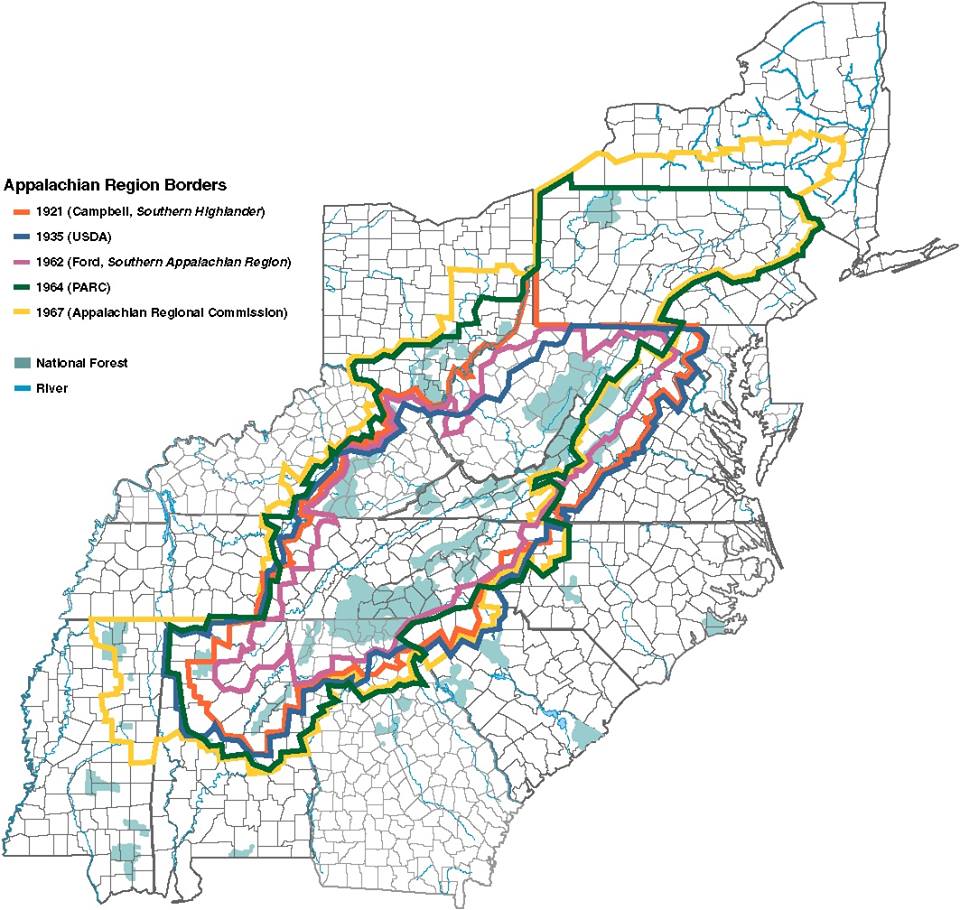 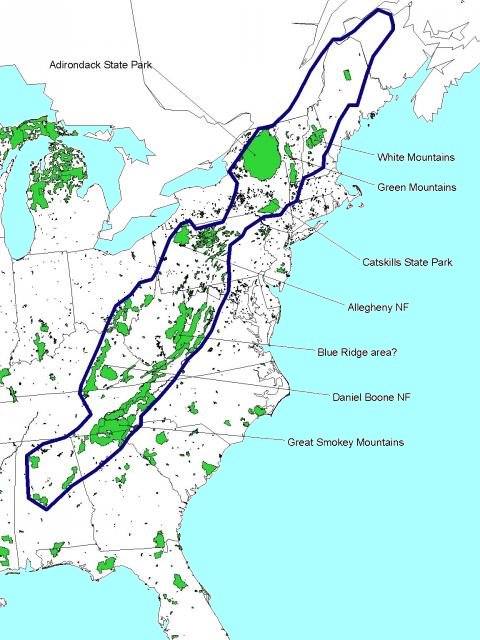 If you'd like to join us for a hunt, just send an email. Photo courtesy George LaVanish. |
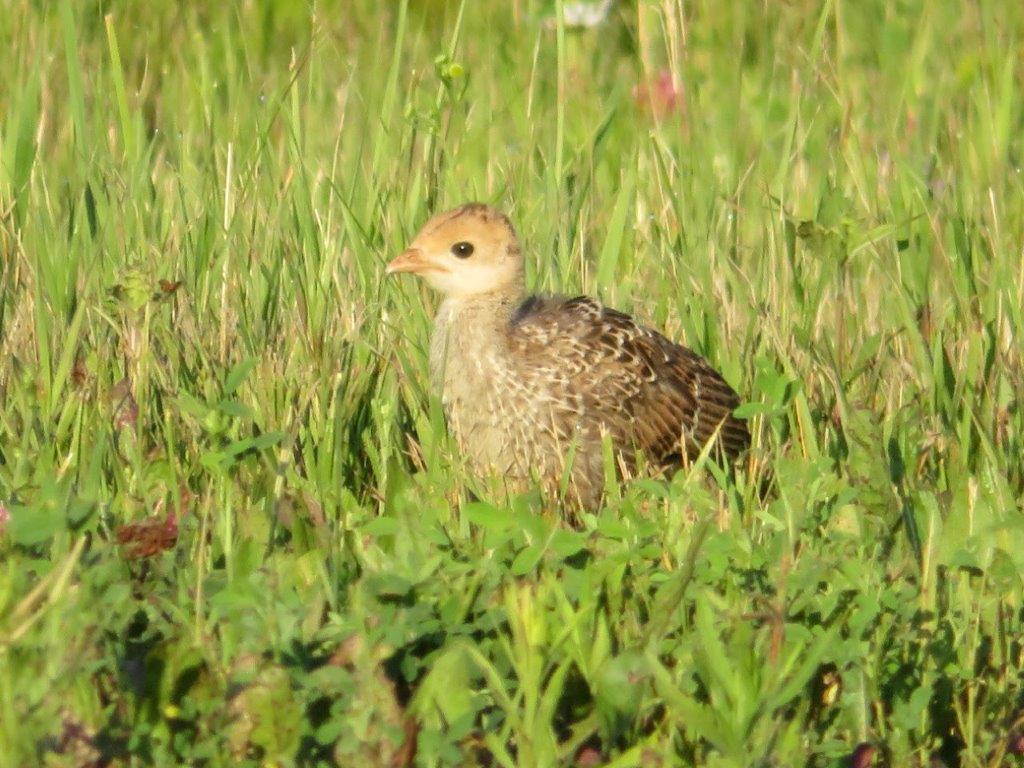 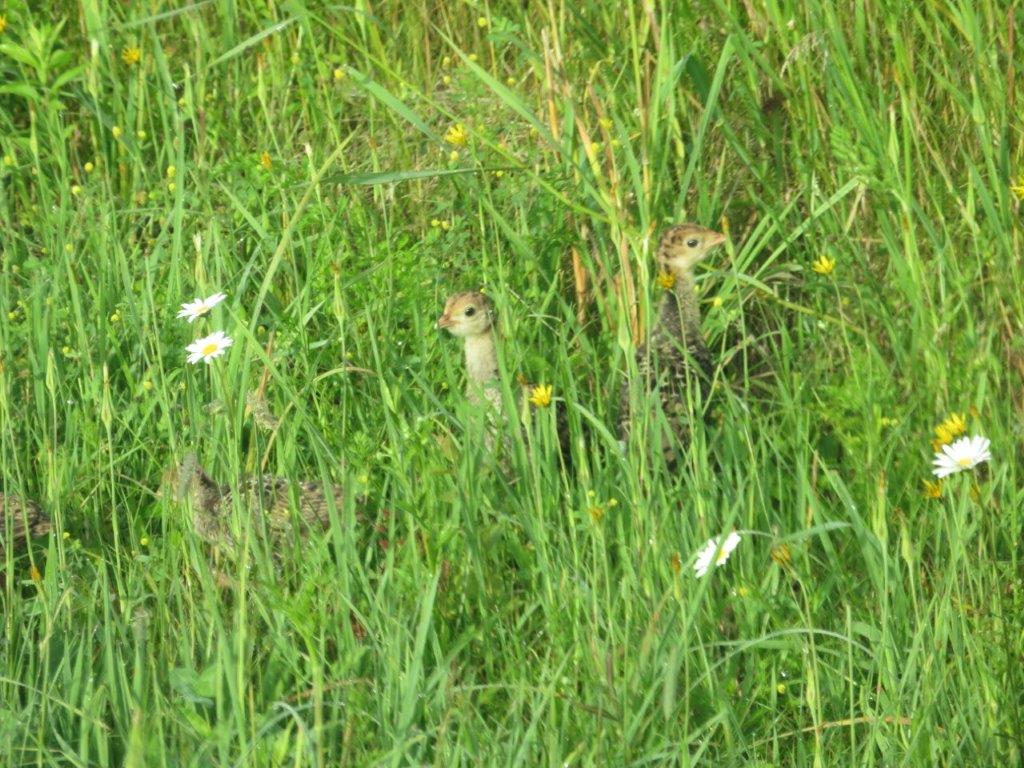 In
northern
latitudes
like Minnesota, Wisconsin, Michigan, New York, Vermont,
New Hampshire, Massachusetts and Maine, wild turkey hens
lay their eggs some time between April 28 to May 12th. In
northern
latitudes
like Minnesota, Wisconsin, Michigan, New York, Vermont,
New Hampshire, Massachusetts and Maine, wild turkey hens
lay their eggs some time between April 28 to May 12th. The hens then set on their eggs for 28 days, between May 12th to May 25th. Their poults hatch from June 9th to June 22nd. Hens may partner with another hen or two (a sister or other relative), laying all their eggs in the same nest, then take turns setting and being a scout, lookout and decoy for the multitude of aerial & ground predators. A poult will follow any hen, it might be raised by an extended family of 2 or 3 hens, just as if they're all their own offspring. AWTHDA |
|
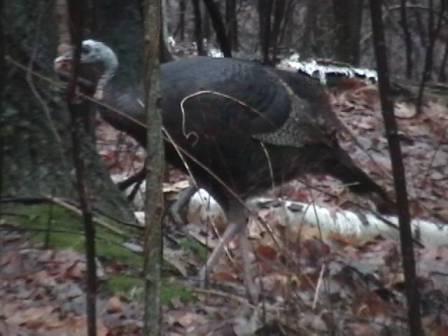
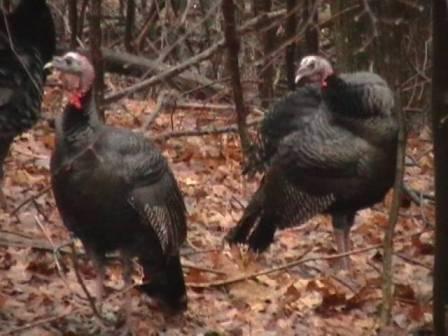
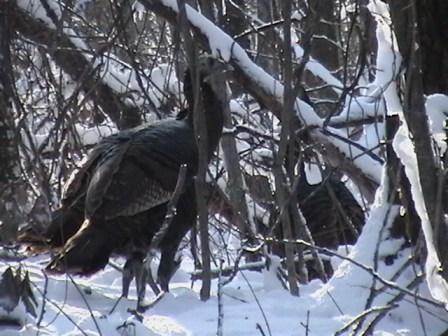
Fall turkeys are far more savory than
spring turkeys.
    |
| Dogs have been trained for everything from police work, to assisting the handicapped, to hunting wild turkey. Today, if every turkey hunter was required to have the assistance of a trained dog, we'd recover every bird accidentally wounded, and prevent any crippling losses. We use a dog to hunt every other game bird in the United States, there's no reason we shouldn't hunt turkey with a dog, spring or fall. The usual method (in the fall) is for the dog to scatter the flock, then we take advantage of the birds flocking instinct to call the birds in, while our dog sits quietly by our side. In the spring, the dog sits quietly until the gobbler is called in and shot, and only then does the dog assist when a gobbler is inadvertently wounded, and the dog is needed to find the crippled bird. These dogs must be highly trained or their presence in the spring is more likely to ruin the hunt, than be helpful. The owner will know when their dog is ready. This usually doesn't happen until the dog is 2 or 3 years old. When that is depends on the amount of time the owner has spent with the dog, hunting and not. |
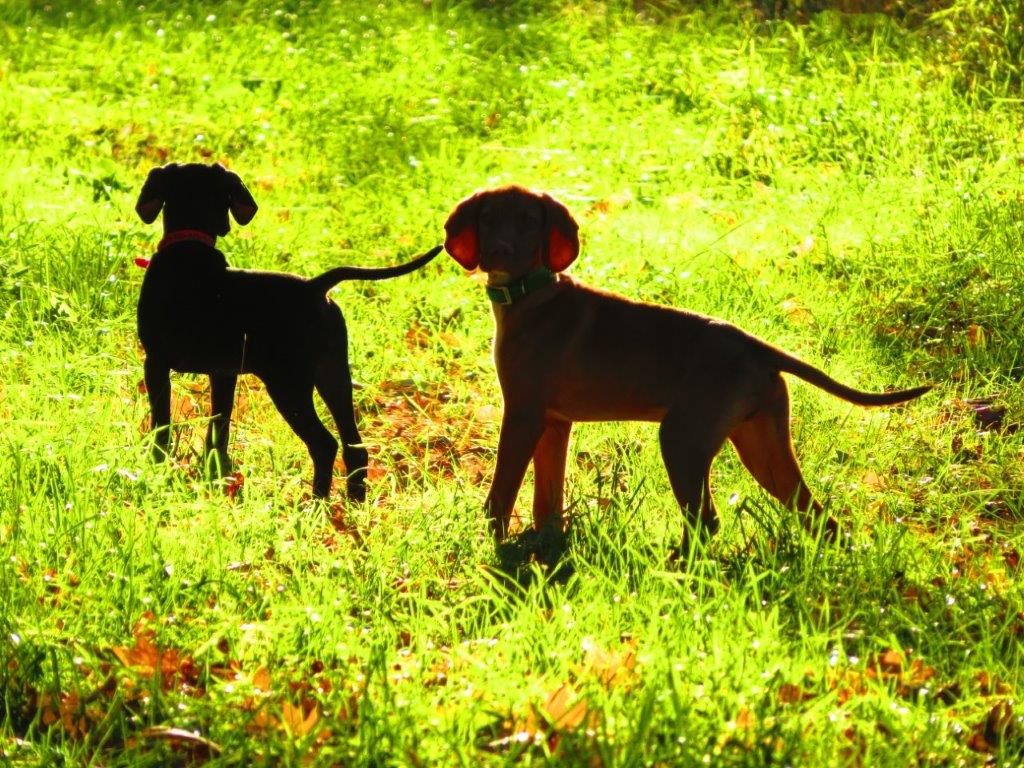 Except for
sheep or goat, there's no wildlife more challenging to
hunt in the fall than mature wild turkey gobblers. To hunt bighorn sheep, we use
saddle horses and pack mules. For goats, mountaineering
gear. For mature wild turkey gobblers, the finest bird dogs on earth. Except for
sheep or goat, there's no wildlife more challenging to
hunt in the fall than mature wild turkey gobblers. To hunt bighorn sheep, we use
saddle horses and pack mules. For goats, mountaineering
gear. For mature wild turkey gobblers, the finest bird dogs on earth. |
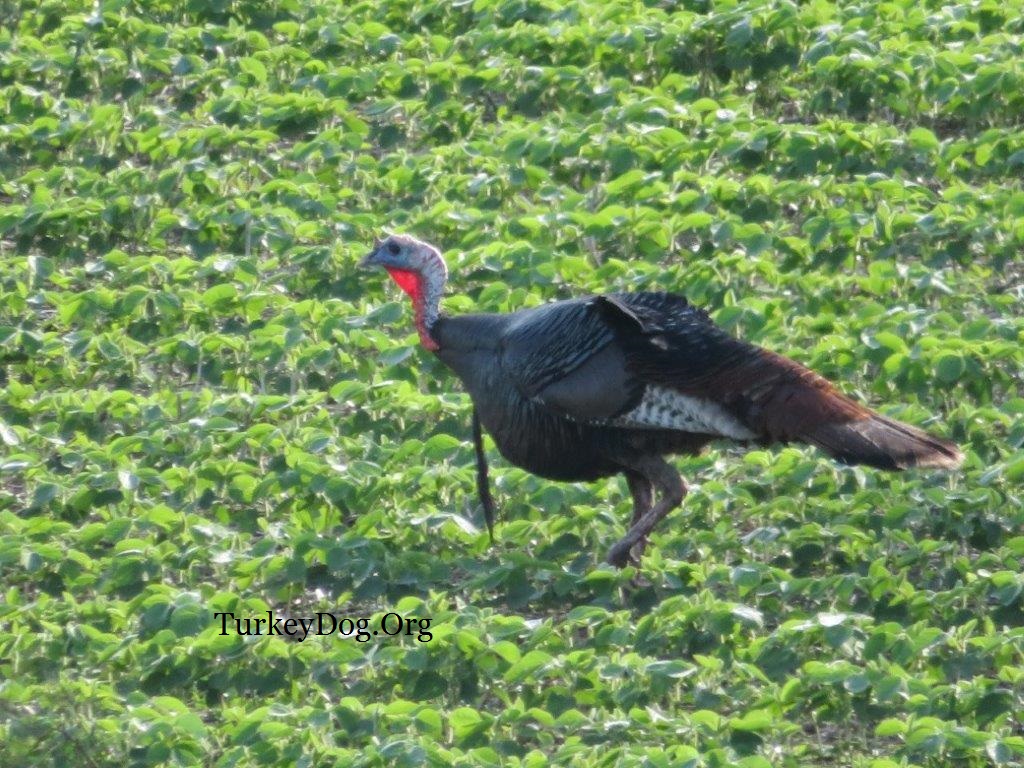 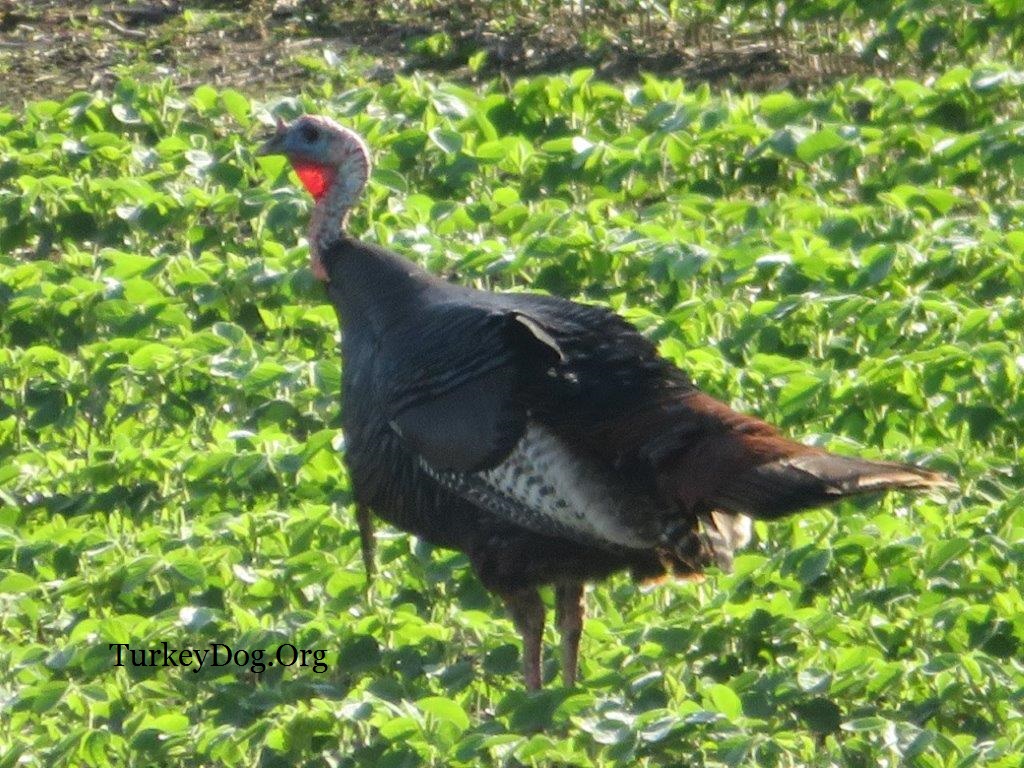 There are debates about whether hunters should bag hens or jakes in the fall, because it may affect the availability of mature gobblers the following spring. Think what the fall population of mature gobblers would be, if all those weren't shot the previous spring! |
| Rev. Zach Farmer said that Archibald Rutledge and Henry Davis "thought it an abomination that people were allowed to shoot gobblers during the spring season and likened it to shooting fish in a barrel. They thought it much more sporting to bust up a group of turkeys in the fall and call them back in and hunt them by stealth, than use hen calls during the mating season to bring even wary old birds running foolishly to gun." The Times and Democrat Orangeburg, S.C. |
From
Four Bearded Men by Archibald Rutledge in the May 1946
Sports Afield: 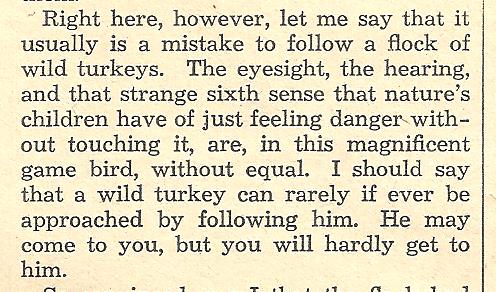 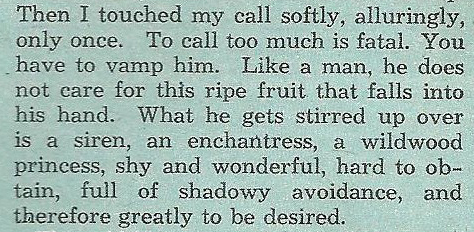 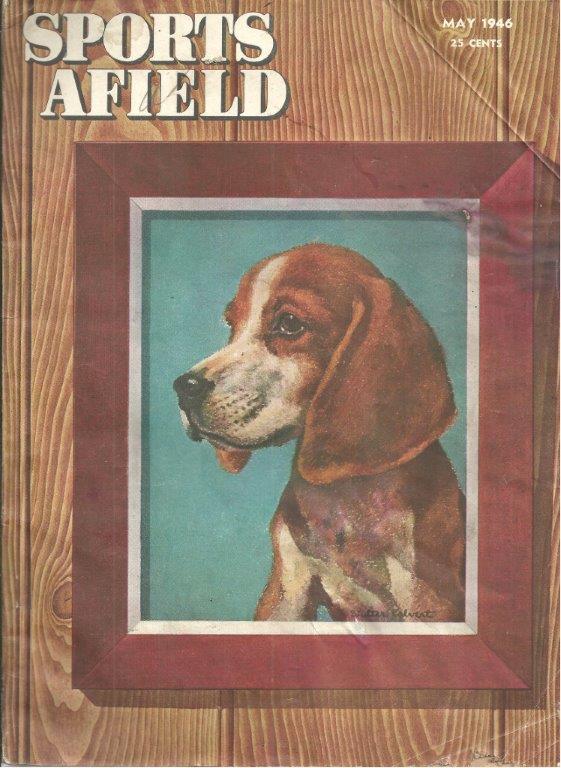 |
| "In Virginia, the
wild turkey afforded the Virginians much exertion as well
as wariness to come up with it and kill it. Blinds of pine or oak boughs were erected at different eligible spots in the woods, and here, after scattering the flocks with trained dogs, the hunters would hide themselves, and by skilful use of the yelp, soon call up the confused and unsuspecting birds within range of the guns." P.A. Bruce, Richmortal VA, 1907 |
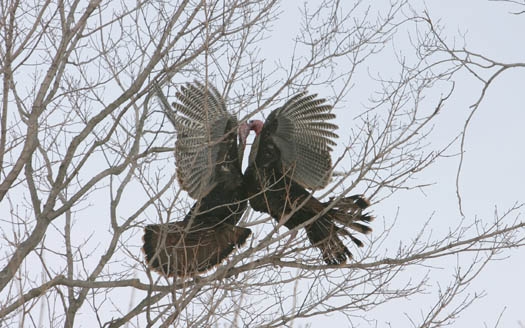 As for whether or
not fall turkey hunting with dogs should be allowed, Jim Paige
says it well: "It's funny how hunters can nit-pick so
much, against one another. If hunters' ranks were
anywhere NEAR as together and supportive as the
anti-gun crowd, we'd never have a problem with
supposed "anti-gun" legislation or so-called 'animal
rights' groups!" As for whether or
not fall turkey hunting with dogs should be allowed, Jim Paige
says it well: "It's funny how hunters can nit-pick so
much, against one another. If hunters' ranks were
anywhere NEAR as together and supportive as the
anti-gun crowd, we'd never have a problem with
supposed "anti-gun" legislation or so-called 'animal
rights' groups!" |
|
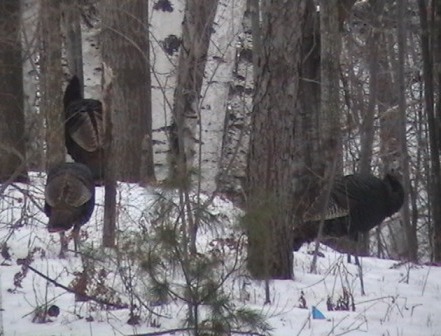
"Hunting turkeys in the fall with
dogs will not harm anything, or compete with any other
type of hunting, but simply add more hunting
opportunities for those few hunters who are interested.
We are losing hunters (and their money and political
support for conservation, wild lands and creatures),
because we are losing hunting opportunities. Only a
limited number of hunters will take advantage of turkey
dogs, just like the few who participate in the
recently-approved hunting seasons for crow and dove."
Wisconsin wildlife biologist Jim Evrard 4/18/06
|
    |
|
"A duck, crow or a turkey call in the hands
of the unschooled is the nations greatest Conservation
asset." Tom Turpin.
"None of our native animals is more wary than the 'educated' wild turkey." The Wild Turkey - Its History and Domestication; A.W. Schorger p. 136 |
|
We support the International
Association of Fish & Wildlife Agencies Teaming with Wildlife Coalition,
 and the
International Association of Natural Resources
Crimestoppers (IANRC). Their members
operate the Operation Game Thief, Turn In Poachers,
Report All Poachers, and related programs operating
across the U.S. and Canada. and the
International Association of Natural Resources
Crimestoppers (IANRC). Their members
operate the Operation Game Thief, Turn In Poachers,
Report All Poachers, and related programs operating
across the U.S. and Canada. |
| If you'd like to share your
knowledge, skills and experience with our readers, email
it to us here.
If you enjoy this website, please consider supporting it with a donation. |
|
Home | About
Us |
Books
| Breeds
| Classifieds | FAQ
|
History
| Kit
Shaffer
Legislation | Links | Scratchings | Spring | Stories | Tales | Shop in the Store Members are invited to send pictures of yourself and your dog, with a short story like these: Carson Quarles | Earl Sechrist | Frederick Payne 1 | Frederick Payne 2 | Gary Perlstein | Gratten Hepler | Jon Freis 1 | Jon Freis 2 | Larry Case | Marlin Watkins 1 | Marlin Watkins 2 | Mike Joyner | Mike Morrell | Parker Whedon | Randy Carter | Ron Meek 1 | Ron Meek 2 | Tom McMurray | Tommy Barham 1 | Tommy Barham 2 Members Only: Hall of Fame | Members | Museum | Studies | and the States KY | NC | NY | OH | ON | PA | TN | VA | WI | WV © 2004 - 2026 American Wild Turkey Hunting Dog Association All Rights Reserved Permission to copy without written authorization is expressly denied. WE HUNT TURKEYS, ONE BARK AT A TIME. |